Oven Cleaning in Canary Wharf

We provide oven cleaning in Canary Wharf for homes, flats and managed properties that need a careful, thorough clean without unnecessary disruption. The service is designed to restore the everyday use of ovens, hobs, extractor surrounds and removable parts by removing built-up grease, carbon and food residue from the areas that are commonly hardest to reach. It is a practical way to bring cooking equipment back to a cleaner, more hygienic condition while keeping the work focused on the appliance itself.
Our approach is suited to regular kitchens as well as properties that have been left unused for a while, where residue can become more stubborn. We clean the interior cavity, racks, trays, doors and seals where access allows, and we pay attention to the details that often affect the finished result, such as corners, edges and around glass panels. If you are comparing options, you can request a quotation and describe the type of oven or range you need cleaned.
The aim is to give you a clear, usable service that fits the way kitchens are used in Canary Wharf’s apartments and business homes. Whether you need a standard single oven clean or a more involved clean of multiple cooking components, we keep the scope straightforward and the explanation plain. For related kitchen care, it can also help to look at our deep cleaning and one-off cleaning services where a broader clean is needed alongside the oven itself.
What our oven cleaning service covers

Our oven cleaning service centres on the parts that accumulate the most visible and baked-on contamination. That usually includes the oven interior, side walls, shelves, trays, fan covers where accessible, the door glass, seals and the areas around knobs or controls that can be cleaned safely. We also remove loose debris so the appliance is left in a condition that is easier to wipe down and maintain after the visit.
We work on a range of domestic cooking appliances, and we keep the method appropriate to the item being cleaned. Some ovens have removable panels or simpler interiors; others have more complex layouts with multiple racks or deeper cavities. We use the same careful principle throughout: protect the appliance, use suitable cleaning methods, and focus on removing built-up residues without being heavy-handed. For customers who want a fuller kitchen refresh, our domestic cleaning page covers wider household cleaning work that can sit alongside oven care.
In practice, this means the service is useful when you want more than a surface wipe. Grease splashes, smoke staining and charred residue can affect how an oven looks and how convenient it is to use, so detailed cleaning of the internal surfaces matters. Attention to removable parts is important because racks, trays and other components often hold the most residue and can make the whole appliance feel incomplete if they are left untouched.
Cleaning methods for different oven types

Different ovens call for different cleaning decisions, and we adjust the work to suit the appliance rather than using a one-size-fits-all approach. A compact built-in oven may need a tidy, precise clean around restricted edges, while a double oven or larger cooking range can require more time on interior surfaces, doors and accessories. The cleaning process is shaped by the condition of the appliance and the amount of residue present.
We also consider the finish of the appliance. Glass, stainless steel, enamel and chrome components each need sensible handling so that dirt is removed effectively without damaging the surface. That care extends to the small details, such as avoiding scratched panels, over-wet controls or residue being pushed into awkward seams. If your kitchen also needs other appliance or surface cleaning, our cleaning company overview gives a useful sense of the broader domestic and property cleaning work we provide.
For customers choosing between a light tidy and a more detailed clean, the main question is often how much residue has built up and how accessible the cooking appliance is. A heavily used oven may need additional attention around the door, glass layers and fan area, whereas a lightly used appliance may simply need a full internal reset. Either way, the work remains focused on the appliance and the practical outcome of making it cleaner and easier to use.
Pricing, access and quotation details
Quotation requests are easiest to assess when you can describe the appliance type, the number of ovens or cooking units involved, and whether there are any notable access considerations. In many homes, the oven is fitted into a standard kitchen layout, but some properties have compact cupboards, integrated appliances or closely fitted units that shape how the cleaning can be carried out. These details help us understand the task clearly before any booking is arranged.
Price can be influenced by the size of the appliance, the level of residue, and whether the work is limited to one oven or includes additional items such as hobs, extractor areas or more than one cooking unit. It is sensible to mention any specific concerns, such as baked-on spillages, smoke staining or long periods between cleans. If you are comparing services, you can also review pricing and quotes alongside the main cleaning pages to understand how enquiries are handled.
Helpful details to include when asking for a quote are the appliance type, whether removable parts are present, and any concerns about condition or access. If you are ready to move ahead, send a short description of the oven and the kitchen layout. That gives a clearer basis for a sensible quotation and helps keep the process efficient for both sides.
How the cleaning is carried out
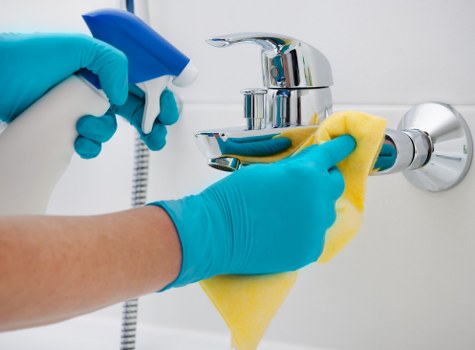
The cleaning process begins with a practical look at the appliance so the work can be matched to the condition of the oven and its components. We focus on the interior surfaces first, then move to removable parts and finishing details. This keeps the work organised and ensures that the main cooking chamber is not treated separately from the shelves, trays and door, which are all part of the final result.
Each stage is designed to remove grime without creating unnecessary mess elsewhere in the kitchen. That matters in apartments and shared buildings where a tidy working method is especially valuable. We keep attention on the appliance itself, rather than spreading the clean into unrelated areas. Where ovens are part of a wider kitchen refresh, some customers choose to combine the visit with house cleaning or cleaners services for the rest of the property.
We also recognise that not every oven needs the same intensity of treatment. A fairly well-kept appliance may mainly require residue removal and a detailed finish, while a neglected one may need longer spent on the stubborn areas. That is why it is useful to be straightforward about condition at the quotation stage: it helps set the service expectations correctly and makes the eventual clean more efficient.
Why the finish matters in busy kitchens
A clean oven is not only about appearance. It also supports everyday cooking by reducing the build-up of old residue that can make the appliance harder to keep in good shape. When the door glass is cleaner, when the racks are less greasy and when the internal chamber is more orderly, the oven becomes more straightforward to inspect and maintain in normal use. That is especially relevant in busy homes where the appliance sees regular cooking.
For tenants, landlords and property managers, an oven clean can also be part of presenting a kitchen in a more acceptable condition. The service is not a promise of perfection and it does not replace repairs, but it does address the common build-up that makes cooking equipment look tired. Where needed, broader support such as end of tenancy cleaning or after builders cleaning may be more suitable for the surrounding property.
We keep the tone of the service practical because the result matters more than the description. The goal is a cleaner oven that is easier to live with, easier to inspect and less obstructed by grime. That is a simple outcome, but in a kitchen it makes a noticeable difference to how the space feels and functions from day to day.
About Canary Wharf

Canary Wharf is a major business district and residential area in the Isle of Dogs, in the London Borough of Tower Hamlets. It developed from former docklands into one of London’s best-known groups of high-rise commercial and mixed-use buildings, with a distinctive skyline of office towers, apartment blocks and public spaces set around the docks. The area’s modern identity is closely tied to redevelopment on land once used for shipping, warehousing and port activity, and that shift remains visible in the way waterways, promenades and glass-fronted buildings sit alongside older maritime geography. The name itself refers to the West India Docks Canary Wharf, and the district grew in prominence from the late twentieth century as large-scale financial and office development took hold. Today it is known for its dense urban layout, underground and DLR connections, and strong emphasis on pedestrian routes between buildings, retail areas and waterside paths. Montgomery Square, Cabot Square and Canada Square are among the best-known public spaces, while nearby Jubilee Park adds planted open space to an otherwise vertical setting. The riverside and dock-edge walkways are important parts of the local character, linking the commercial core with the surrounding Isle of Dogs and offering long views across the water. Cultural life includes the nearby Museum of London Docklands, which explores the history of the Port of London and the communities shaped by trade, migration and redevelopment. The area’s architecture is a mix of late twentieth-century commercial planning and newer towers, with the result that it feels both highly contemporary and rooted in the docklands landscape that preceded it.
Support for kitchens in apartments and managed buildings
Canary Wharf properties often place practical demands on home maintenance because kitchens are integrated into compact layouts, high-spec interiors or managed residential buildings. That makes careful appliance cleaning useful when the aim is to keep the kitchen presentable without interrupting the rest of the home. We keep the service focused on the oven and related cooking parts, so it remains suitable for flats, apartments and occupied homes where convenience matters.
In buildings with limited kitchen space, it is helpful for the clean to be efficient and contained. We can work around the appliance without turning the visit into a wider disruption, and that is one reason oven cleaning is often requested as a stand-alone service. If you need other rooms or hard surfaces dealt with at the same time, hard floor cleaning and window cleaning may be relevant additions, depending on what the property needs.
The best results usually come from being clear about the appliance type and any surrounding constraints. That does not mean lengthy preparation; it simply means making sure the clean can be planned correctly. For people with busy schedules, this straightforward approach keeps the process manageable and allows the quotation to reflect the real work rather than a vague estimate.
Choosing the right level of oven clean
Not every oven needs the same level of intervention, and it is useful to think in terms of the appliance’s current state rather than assuming one package fits all. A routine clean may be enough for an oven that is regularly maintained, while an appliance with thicker residue or neglected trays may need extra care. Understanding that difference helps you choose the most suitable service without paying for work you do not need.
Some customers also ask about adjoining cooking equipment such as hobs, extractor hoods or splashback areas. These can be discussed as part of the quotation where the work is suitable, but the core service remains oven-focused. If your enquiry relates to another room as well as the kitchen, the one-off cleaning page can be a useful reference for single-visit cleaning support, while specialist appliance pages such as oven cleaner help explain the focused nature of this service.
Two simple points help most when deciding: first, how much residue has built up; second, whether the appliance needs cleaning on its own or as part of a wider property clean. Those two points usually give a fair basis for the work needed and make it easier to choose an appropriate quotation.
Request a quotation
If you want oven cleaning in Canary Wharf, the quickest way to move forward is to ask for a quotation with a brief note about the appliance and its condition. You do not need to write a long message. A short description is usually enough to identify the likely scope, whether the job involves a single oven, a double oven or a more involved cooking arrangement. The important thing is to give enough detail for a clear response.
For customers who are comparing cleaning options, it can also be useful to think about whether the oven clean stands alone or sits alongside other work in the home. If the kitchen, floors or upholstery also need attention, our related pages on carpet cleaning, sofa cleaning and upholstery cleaning may help you decide what to include in the same enquiry. Request a quotation when you are ready, and describe the appliance so the job can be assessed properly.
We keep the service practical, clear and focused on the result you need: a cleaner oven that is more pleasant to use and simpler to maintain. If you are planning ahead, this is a good time to get in touch for a quote and outline the type of oven, the level of build-up and any access notes that matter to the job.